A Beginner’s Guide to Chinese Tea

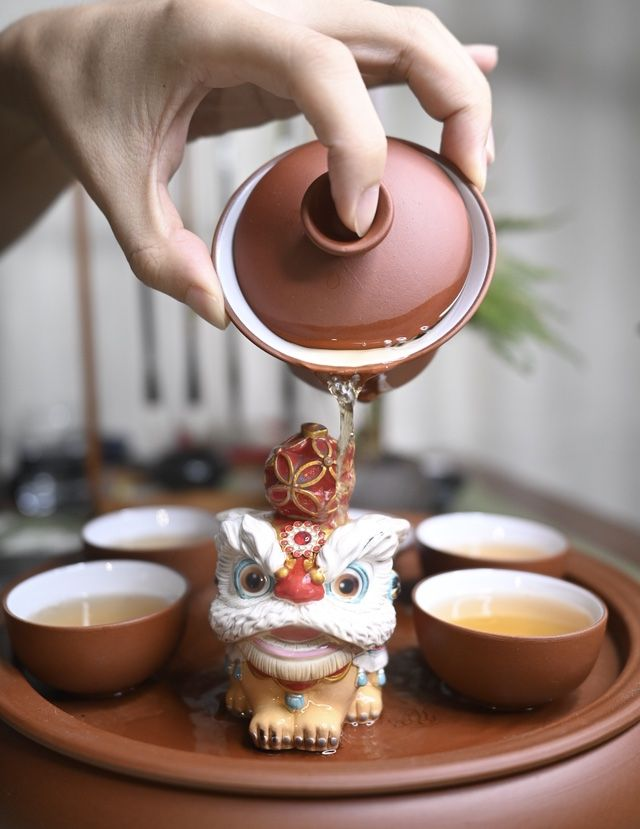
Tea has been part of life in China for thousands of years, evolving from a medicinal plant into one of the country's most cherished everyday traditions. Across generations, people have gathered over tea to welcome guests, share conversations, or simply enjoy a quiet moment. Behind every cup lies a story of nature, craftsmanship and the people who have kept these traditions alive.

One Plant. Six Types of Tea.

From the fresh, grassy notes of green tea to the deep, warming character of a roasted oolong, Chinese tea offers an extraordinary range of flavours. Here is the surprising part: most traditional teas begin with leaves from the same species of plant, Camellia sinensis.

The difference is not simply where the tea grows. It is also what happens after the leaves are picked: withering, heating, rolling, oxidation, drying and, for some teas, microbial fermentation. In China, these traditions are commonly organised into six main tea categories.

In this guide, we'll explore the six types of Chinese tea, what makes each one distinctive, and the regions where some of China's most celebrated teas originate. Along the way, we'll share discoveries from our 17-day journey through China's tea country, where we visited tea gardens, met local producers and experienced the traditions behind the leaves firsthand.
1. Green Tea | 绿茶 · lǜ chá

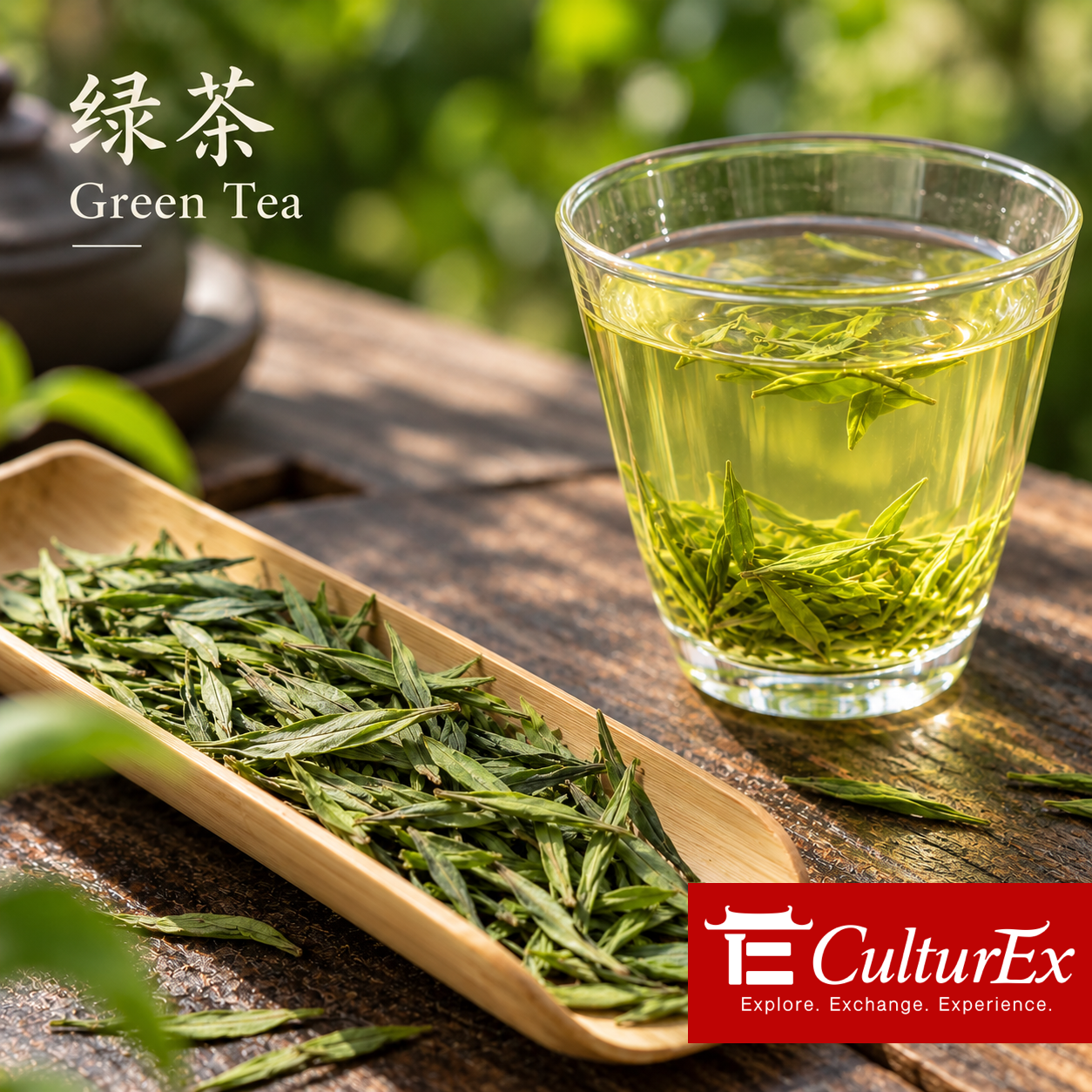
Green tea is heated early in processing to limit oxidation. It often tastes fresh, vegetal, gently sweet or nutty, depending on the cultivar and technique.

Notable examples: Longjing (Dragon Well, 龙井茶); Huangshan Maofeng (黄山毛峰).

Where to look: Zhejiang and Anhui are two well-known producing provinces.

2. White Tea | 白茶 · bái chá

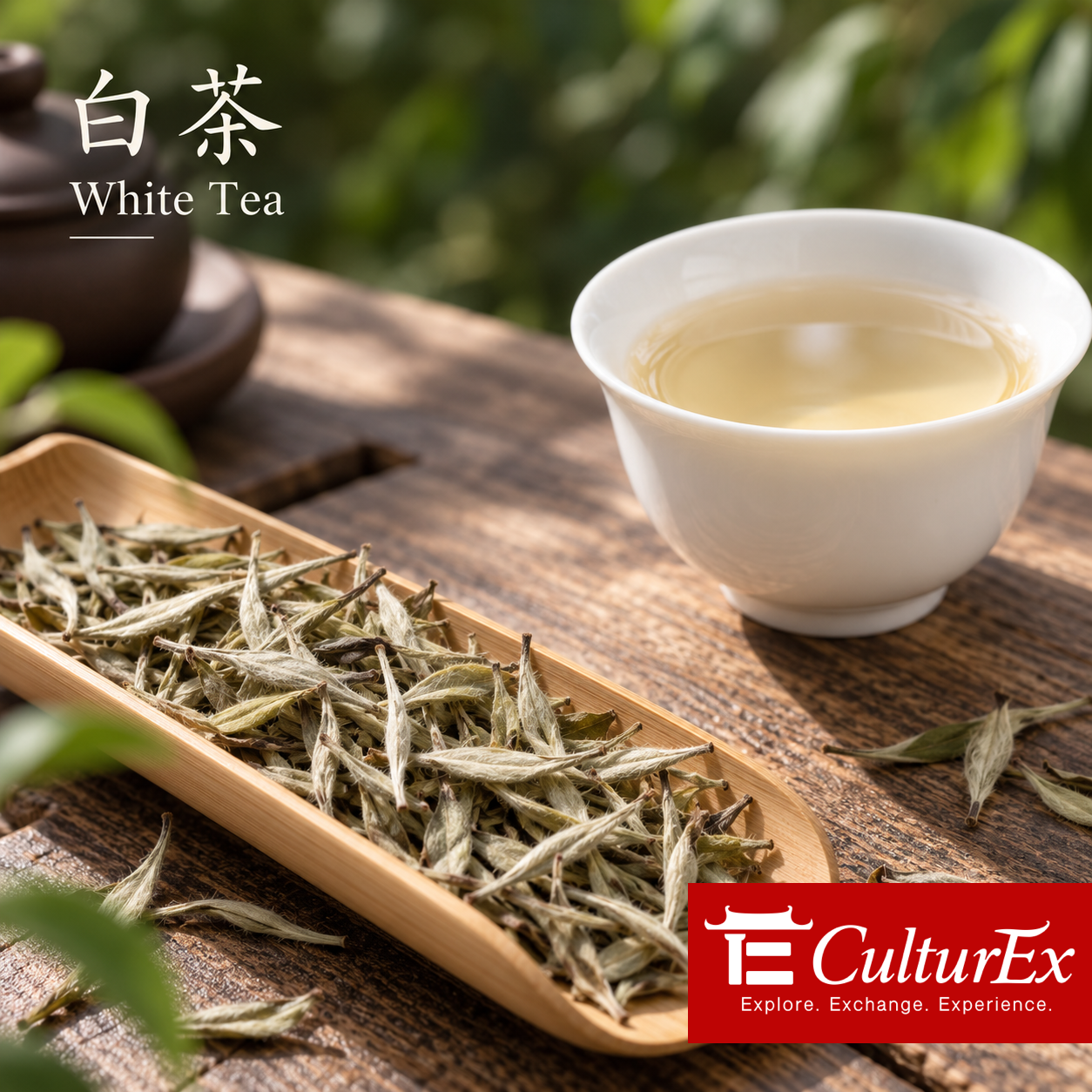
White tea is generally withered and dried with relatively little handling. The resulting cup can be delicate, soft and floral, sometimes developing honeyed or dried-fruit notes.

Notable examples: Baihao Yinzhen (Silver Needle, 白毫银针); Bai Mudan (White Peony, 白牡丹).

Where to look: Fuding and Zhenghe in Fujian are important white-tea origins.

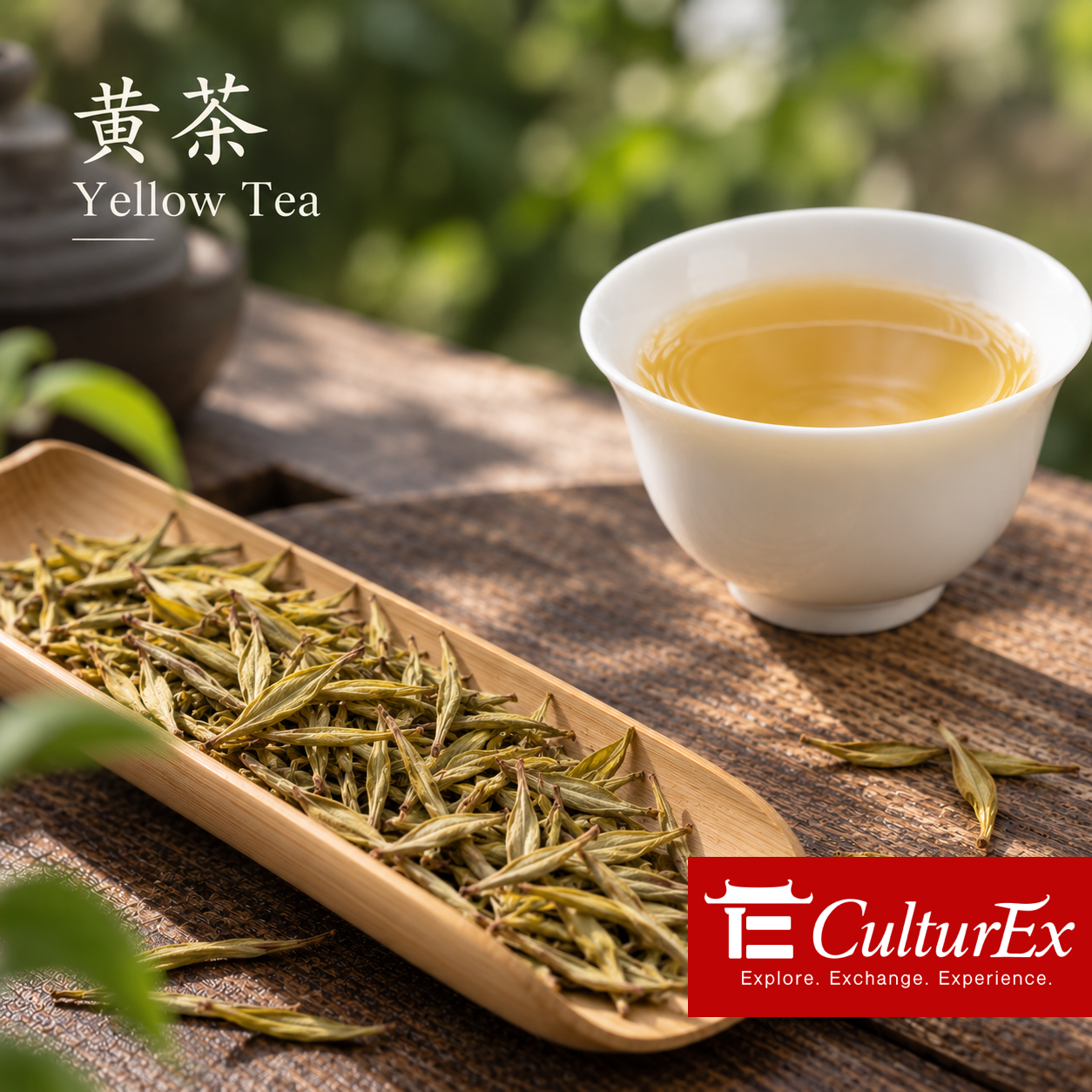
3. Yellow Tea | 黄茶 · huáng chá

Yellow tea involves an additional controlled “yellowing” stage after heating. This often softens the grassy edge associated with some green teas and creates a rounder, mellow cup.

Notable examples: Junshan Yinzhen (君山银针); Huoshan Huangya (霍山黄芽).

Where to look: Hunan and Anhui have notable yellow-tea traditions.

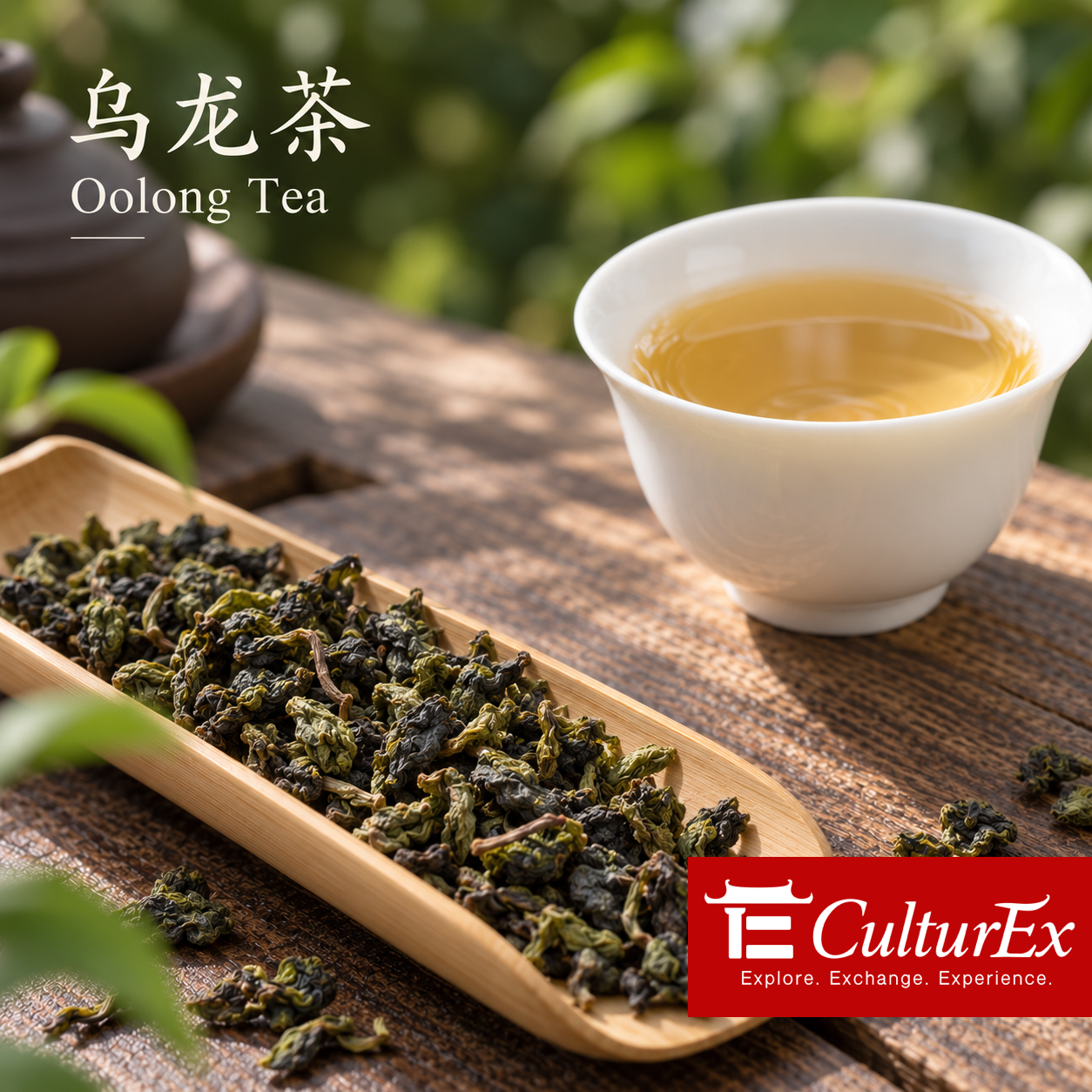
4. Oolong Tea | 乌龙茶 / 青茶 · wūlóng chá / qīng chá

Oolong is a wonderfully varied family. Its leaves are partially oxidised and may also be roasted, producing styles that range from bright and floral to rich, mineral and toasty.

Notable examples: Tieguanyin (Iron Goddess of Mercy, 铁观音); Wuyi rock tea (武夷岩茶), including Rougui (肉桂), Shuixian (水仙) and Da Hong Pao (Big Red Robe, 大红袍).

Where to look: Anxi and Wuyishan in Fujian are two celebrated oolong areas.

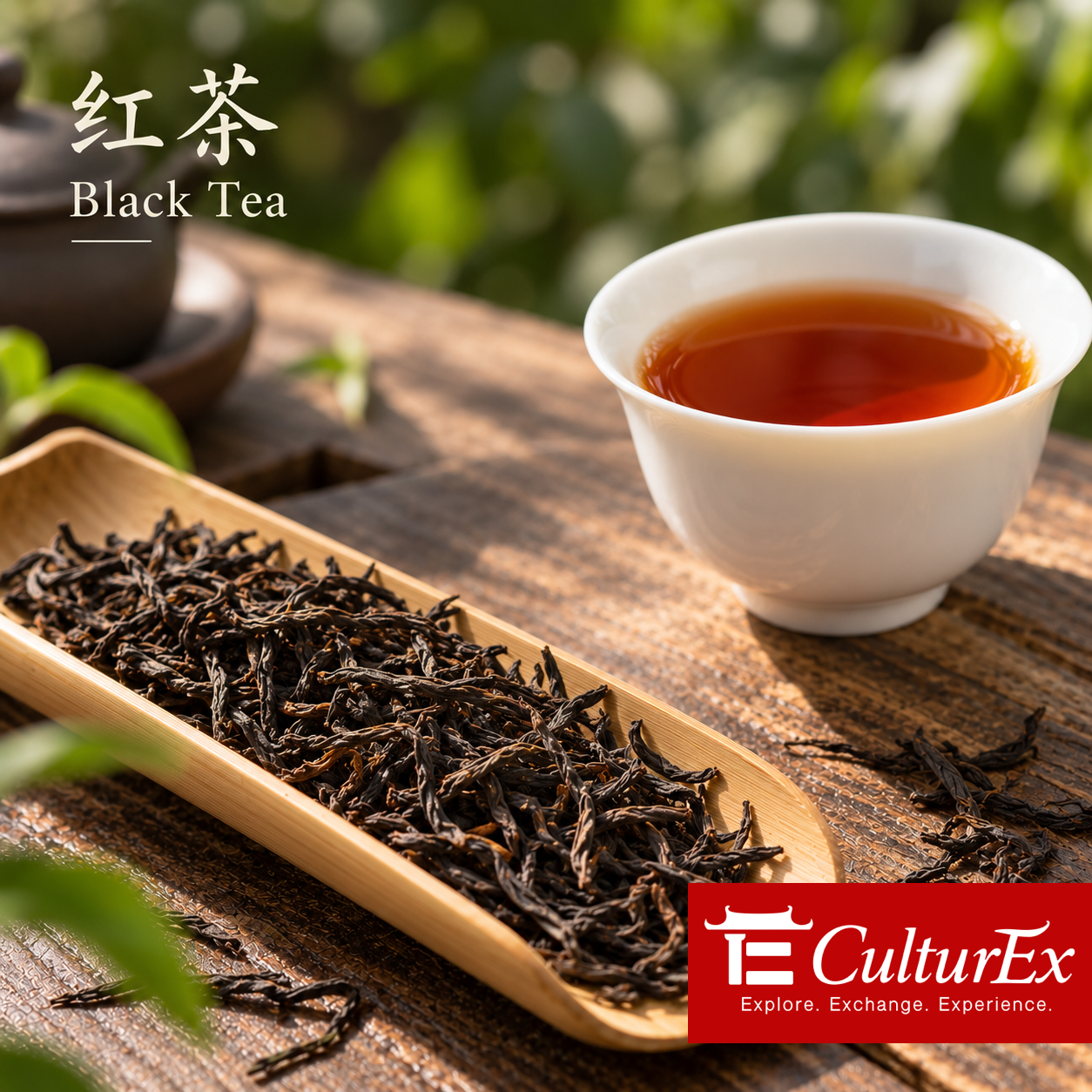
5. Black Tea | 红茶 · hóng chá

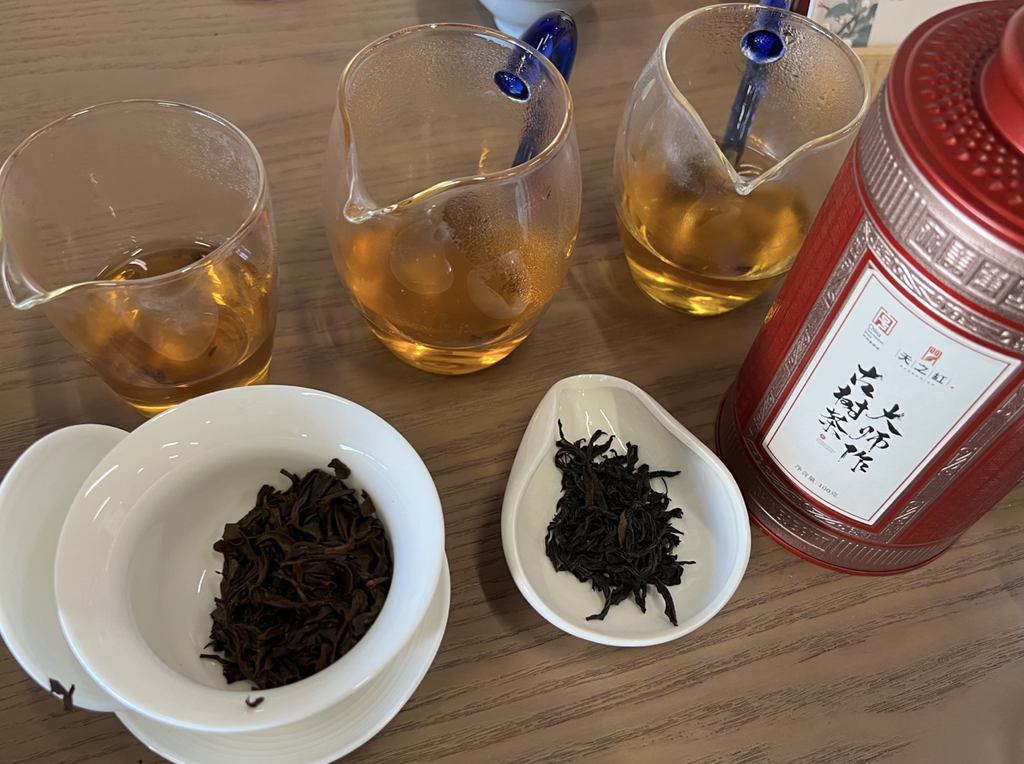
Known as red tea in Chinese, this tea is typically thoroughly oxidised. Depending on origin and processing, it can be brisk, malty, fruity, floral or sweet. Some Lapsang Souchong is traditionally pine-smoked, while other versions are not.

Notable examples: Keemun Black Tea (Qimen Hongcha, 祁门红茶); Lapsang Souchong (Zhengshan Xiaozhong, 正山小种).

Where to look: Qimen in Anhui and the Tongmu area of Wuyishan in Fujian.

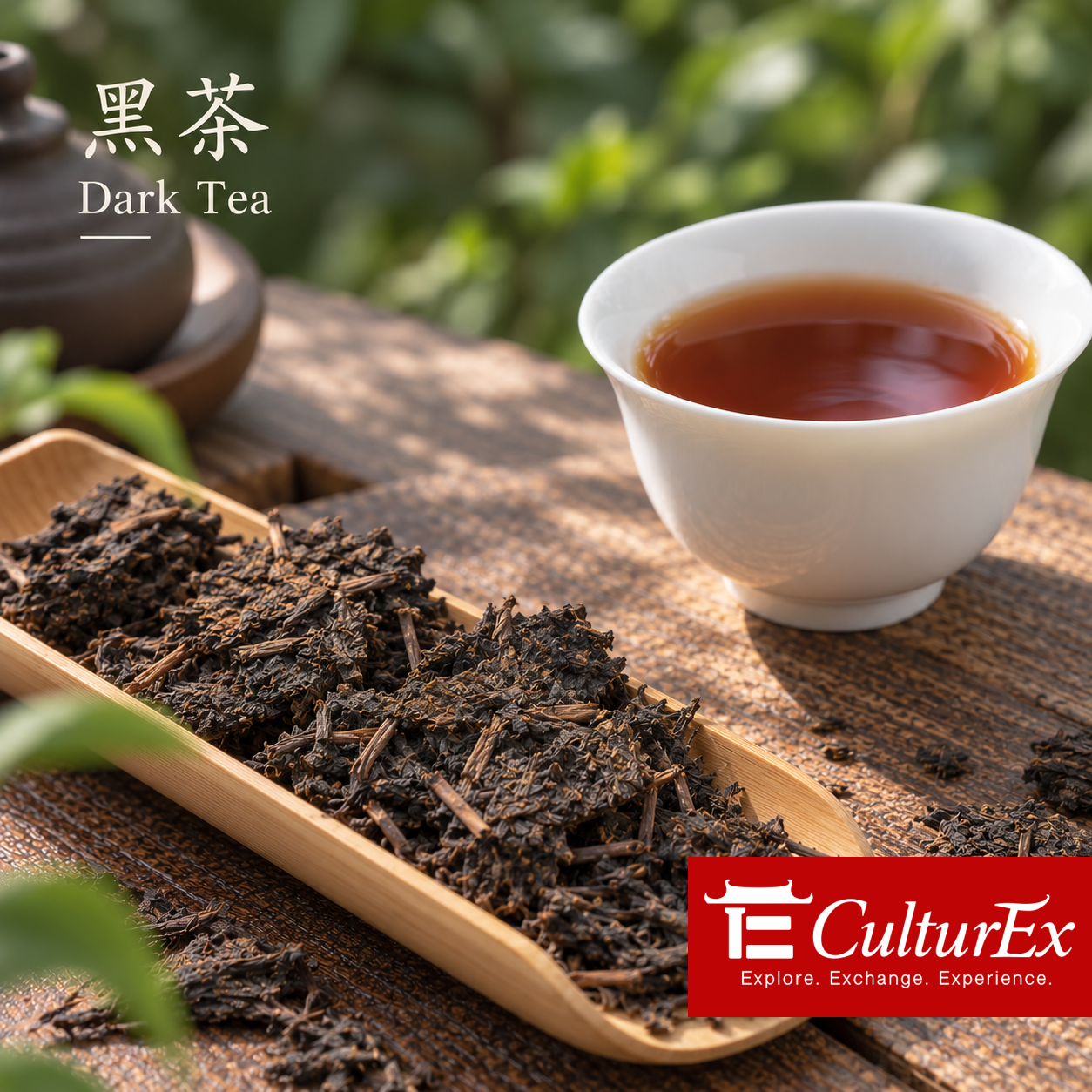
6. Dark Tea | 黑茶 · hēi chá

Dark tea is associated with microbial fermentation or post-fermentation during processing and, in some styles, storage. It can offer earthy, woody, mellow and complex flavours. Note that raw and ripe Pu-erh have different production pathways and are not identical in how they develop.

Notable examples: Anhua Dark Tea (安化黑茶); Ripe Pu-erh (Shou Pu-erh, 熟普洱茶).

Where to look: Hunan and Yunnan are especially important to explore.

From the Tea Mountains to Your Cup: Our 17-Day Journey Through China

In October 2026, we set off on a 17-day journey through China, following some of the country's most celebrated teas back to their origins. We wanted to discover more than just how tea tastes. We wanted to understand the landscapes where it grows, the craftsmanship behind each leaf, and the people who have devoted their lives to it.

Qimen, Anhui — Discovering the Heritage of Keemun Black Tea

Our journey began in Qimen, Anhui Province, the birthplace of Keemun Black Tea (祁门红茶), a tea with more than 150 years of history and a long-standing connection to British tea culture.

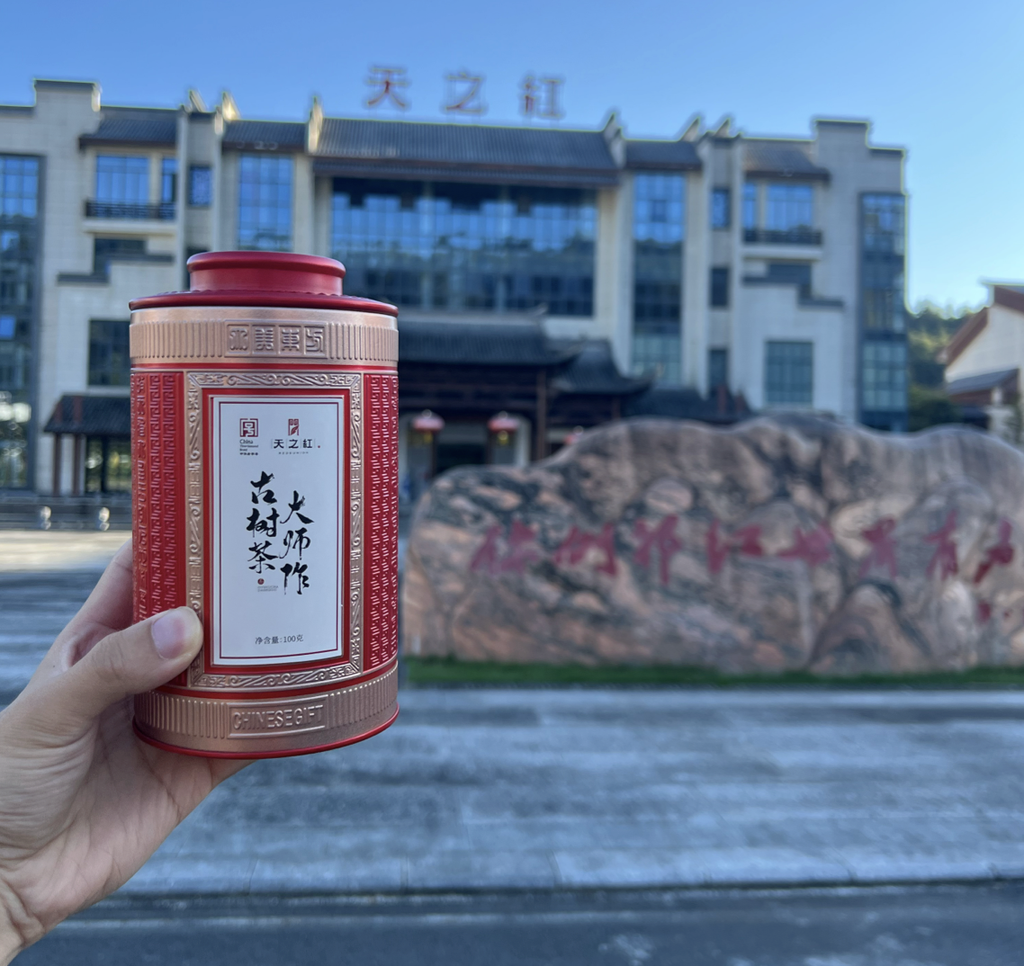
We had the opportunity to visit Qimen Black Tea Group (祁门红茶集团), whose historical roots are connected with the development of Keemun tea production, and Tianzhihong (天之红), a renowned local tea producer with a heritage dating back to the early history of Keemun black tea.

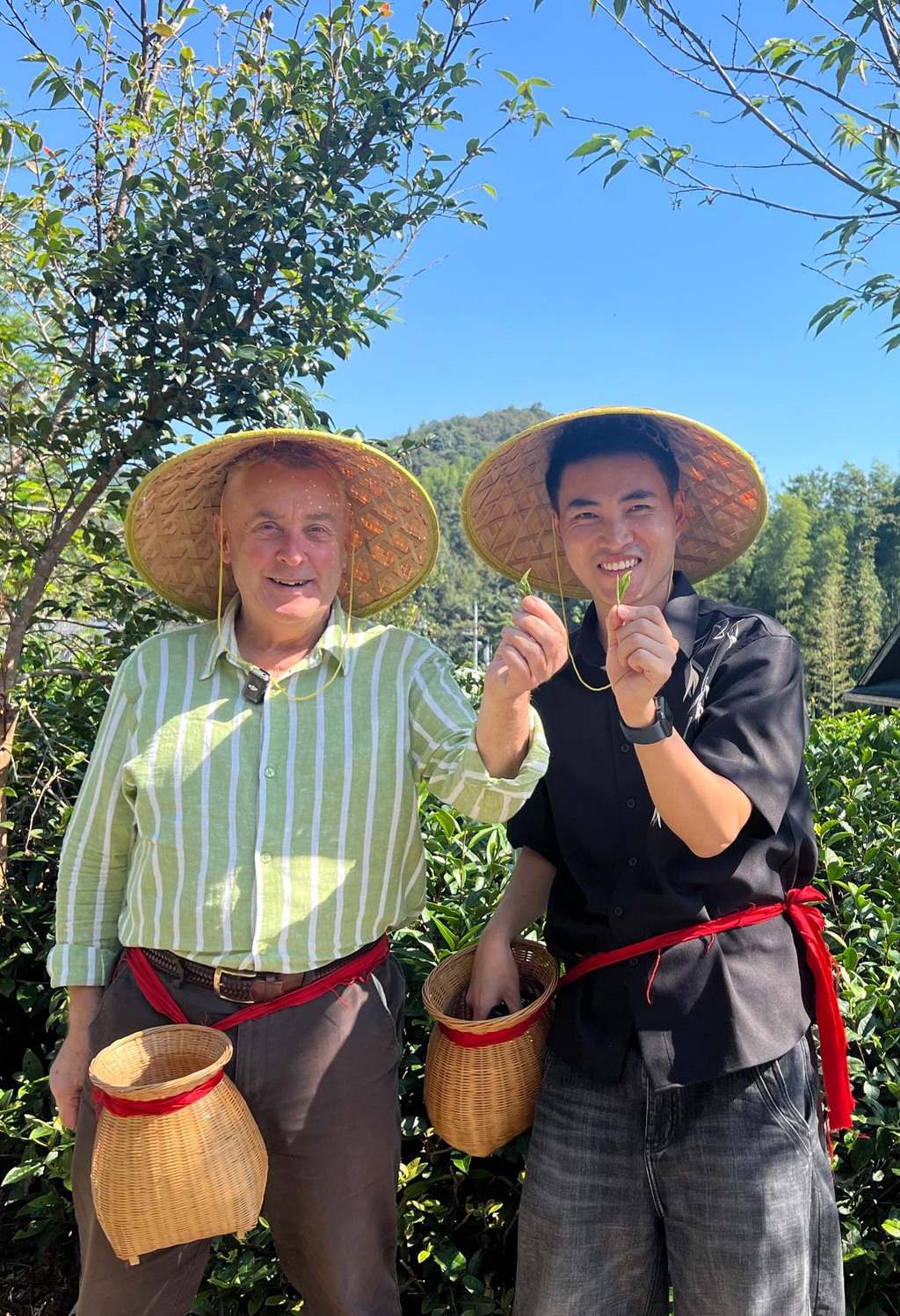
Through visits to tea museums, production facilities and tea gardens, we traced the development of Keemun tea, from its historical origins to the techniques still practised today. We also experienced tea picking and traditional processing activities ourselves.

What impressed us most was not simply the tea's distinctive floral and fruity aroma, but the knowledge, patience and dedication behind it. A cup of Keemun black tea suddenly became much more than a familiar drink.

Huangshan — Where Mountains and Tea Meet

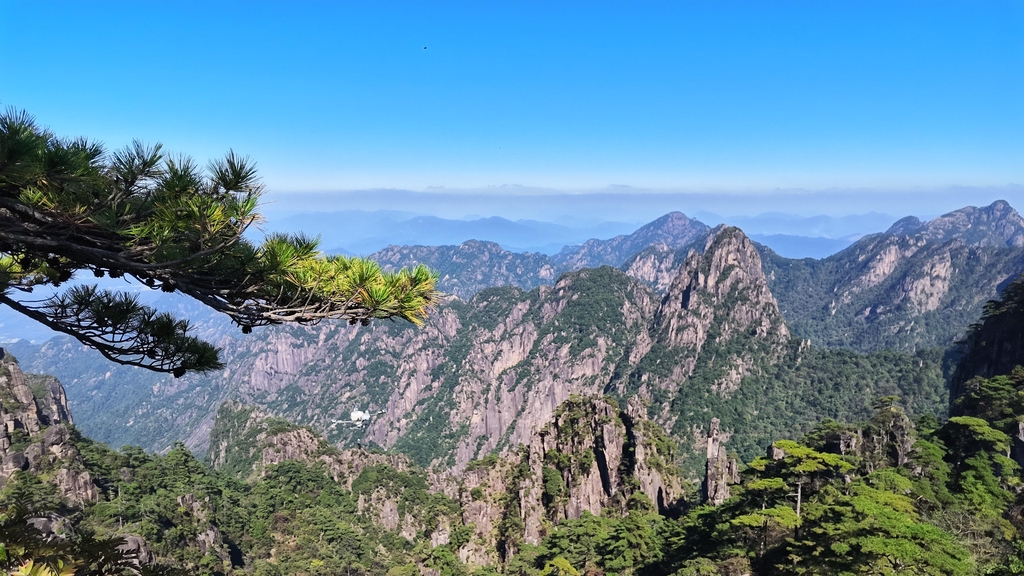
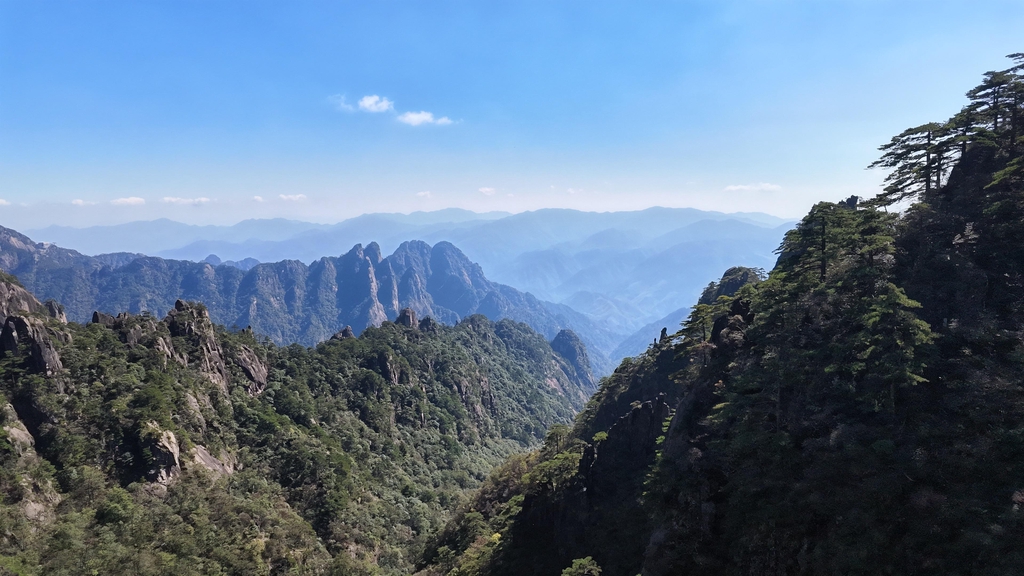
In the Huangshan Mountains, home to the celebrated Huangshan Maofeng (黄山毛峰) green tea, we experienced another side of China's tea country.

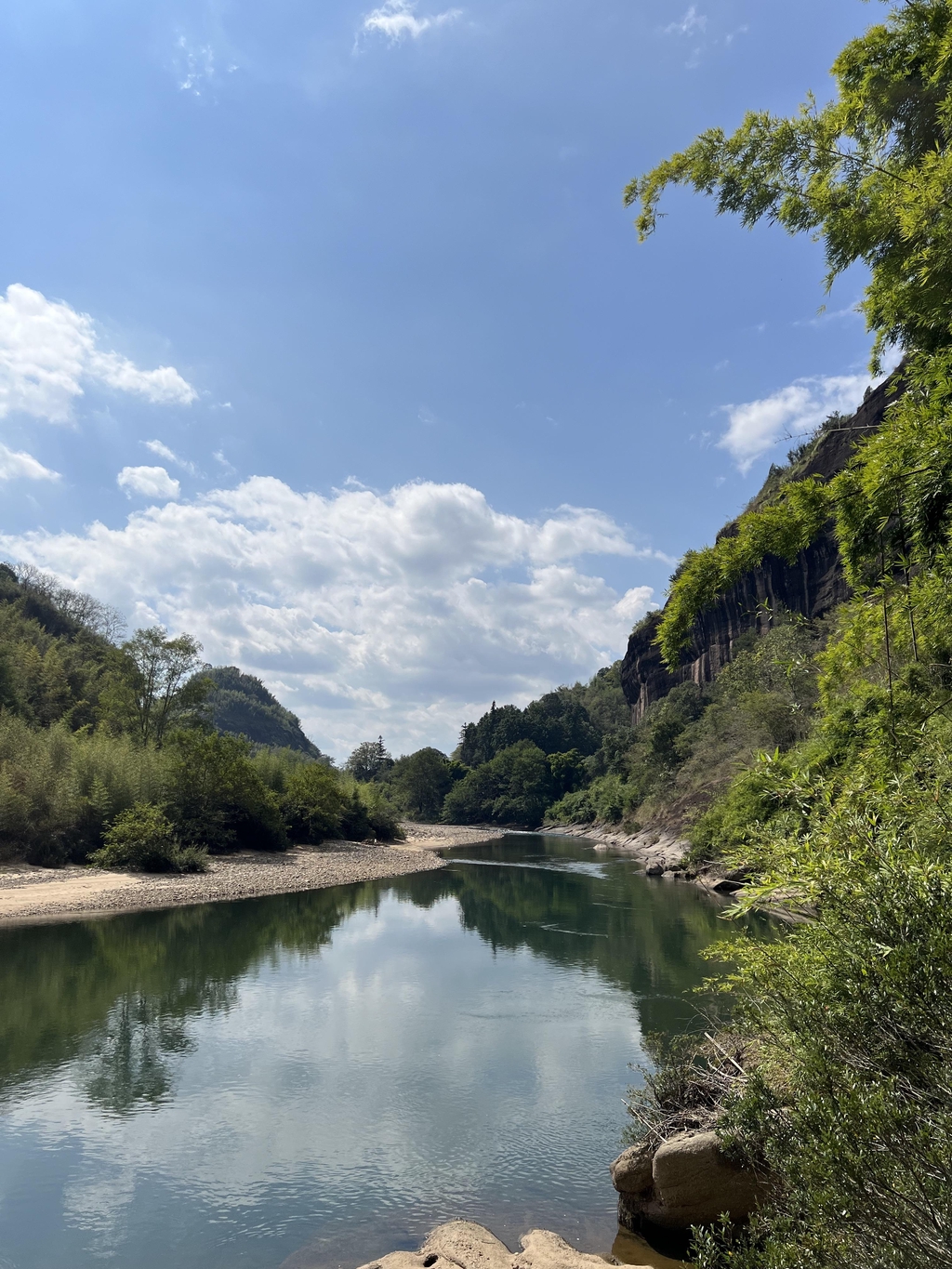
The dramatic peaks, shifting clouds and lush mountain vegetation offered a beautiful reminder of how closely tea is connected to its natural environment.

Here, the idea that good tea begins with good mountains and good water felt less like a saying and more like something we could see and experience for ourselves.

Wuyishan, Fujian — Good Mountains, Good Water, Good People

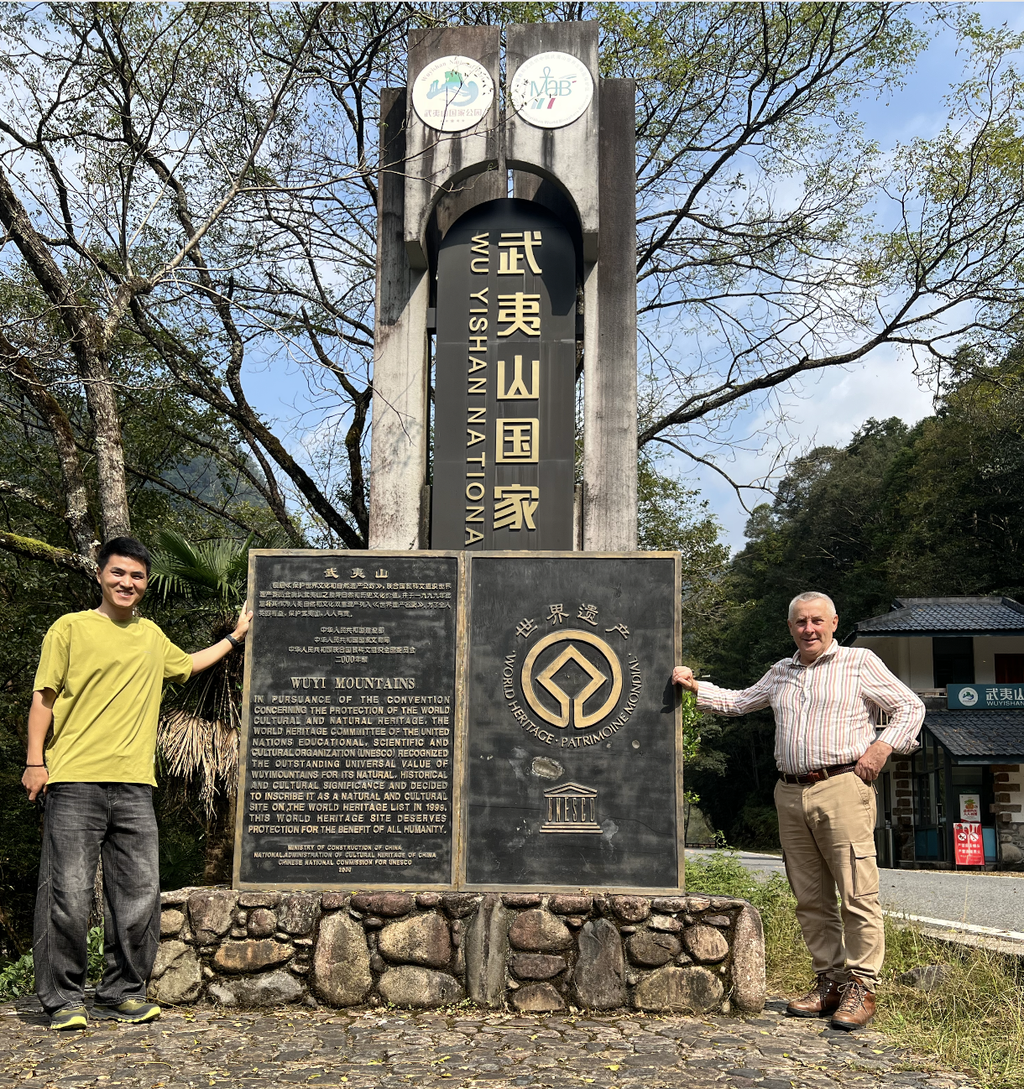
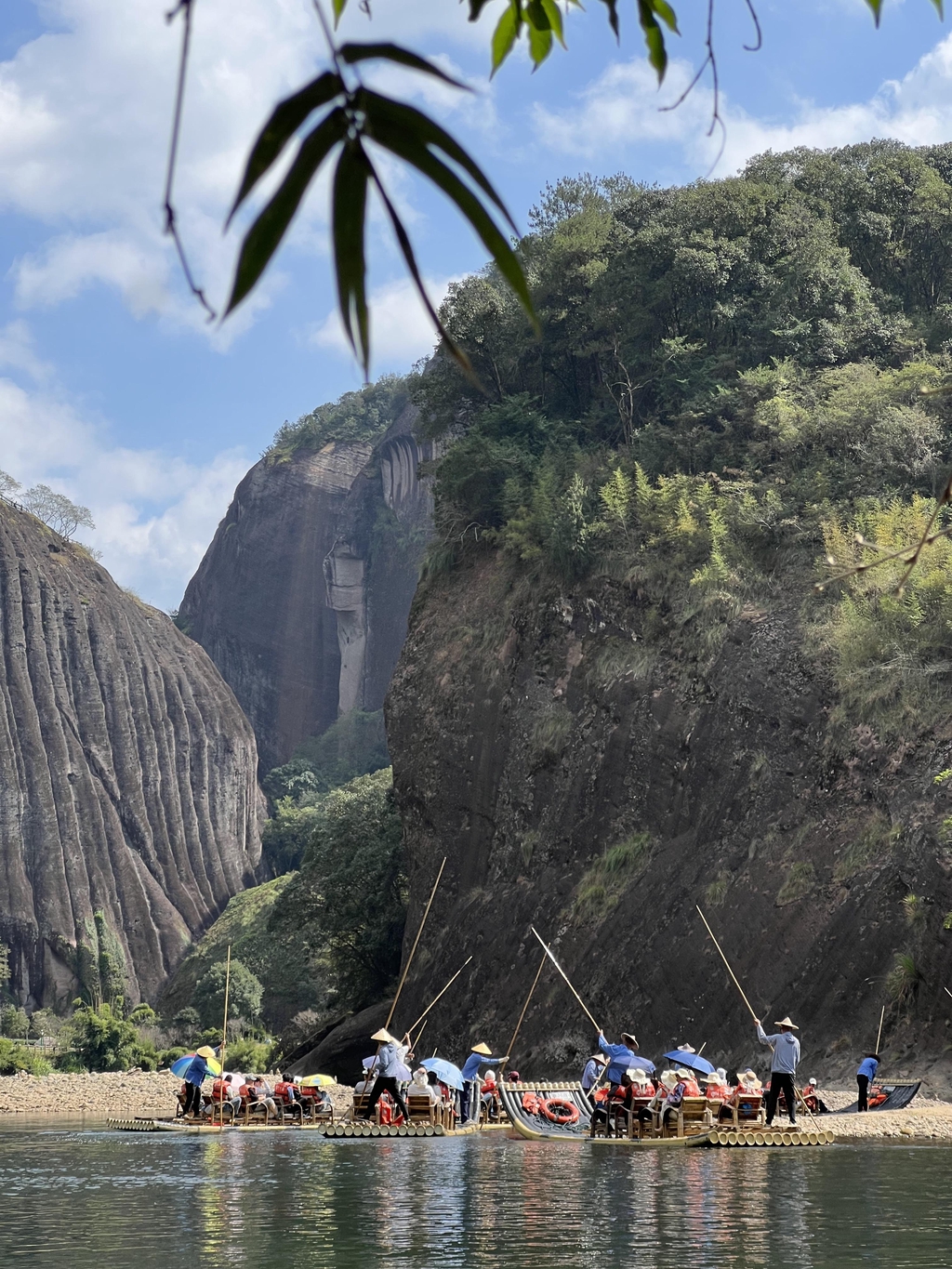
Our journey then took us to Wuyishan (武夷山) in Fujian Province, famous for its Wuyi Rock Tea (武夷岩茶), including Da Hong Pao, Rougui and Shuixian, as well as the historic black tea Lapsang Souchong (正山小种).

We explored the remarkable mountain landscapes where rock oolong tea is grown and travelled into the remote Tongmu area, where we met a local tea maker and learned more about the traditions behind Lapsang Souchong.

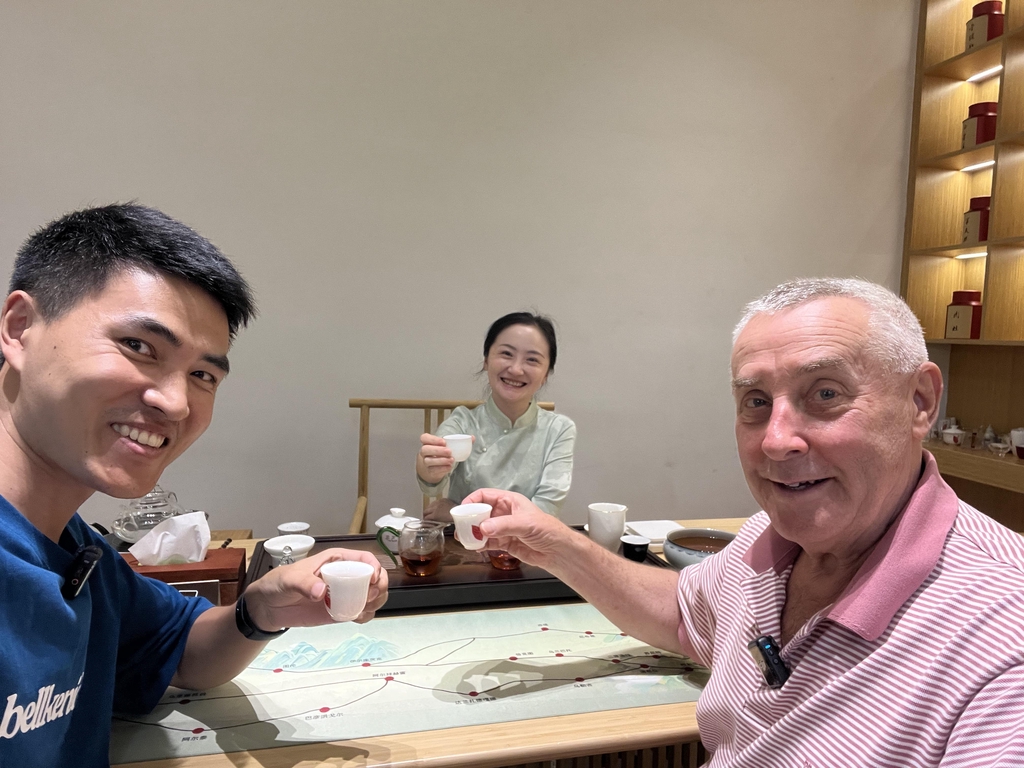
Between tea gardens, mountain streams, conversations with tea makers and cups of freshly brewed tea, we began to appreciate something beyond individual flavours.

In Chinese tea culture, there is a saying: 好山好水出好茶 — good mountains and good water produce good tea.

But our journey gave us one more reason to love Chinese tea: the people.

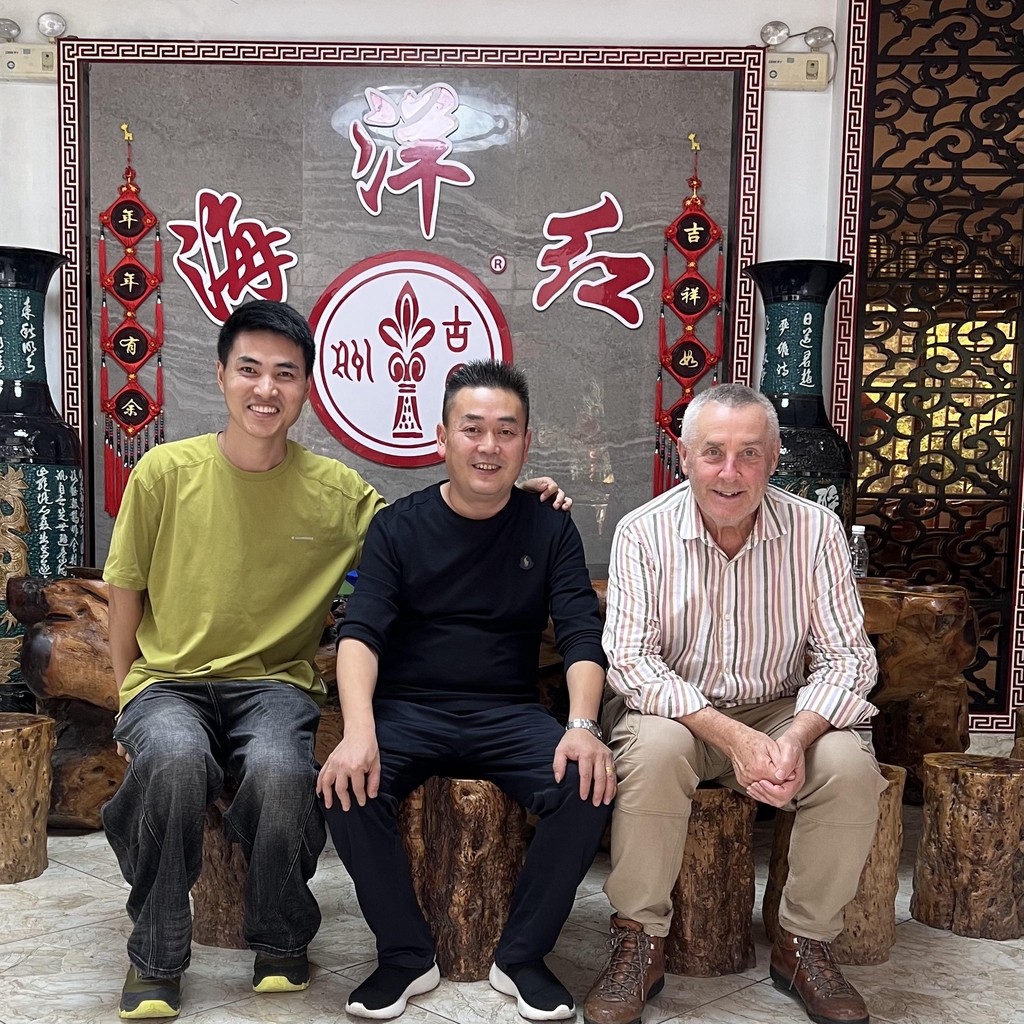
The generosity of those who welcomed us, their willingness to share knowledge, and the care they brought to their craft were just as memorable as the landscapes themselves.

Good mountains, good water, and good people. For us, these are what make a truly memorable cup of tea.


Continuing the Journey with CulturEx

We believe that enjoying Chinese tea can be much more than discovering a new flavour. It can be a way to connect with another culture, understand the craftsmanship behind everyday traditions, and experience places we might otherwise never have known.

That's why we're working towards bringing a carefully selected range of Chinese teas to our community, sourced through the relationships and discoveries made during our journey.

And for those who want to explore further, we hope to create opportunities to experience China's tea country firsthand — to walk through tea gardens, meet local producers, discover regional traditions and enjoy the landscapes that first inspired us.

Our tea journey doesn't end here. We'd love you to be part of what comes next.